
Inside your digestive tract lives an entire universe — trillions of bacteria, viruses, fungi, and other microorganisms collectively known as the gut microbiome. Far from being passive passengers, these microbes influence how well you digest food, how strong your immune system is, how balanced your mood feels, and even how easily you maintain a healthy weight.
When your microbiome is diverse and balanced, you feel energetic, clear-headed, and resilient. When it's disrupted — a state scientists call dysbiosis — the consequences can ripple through your entire body: bloating, brain fog, frequent colds, skin flare-ups, anxiety, and stubborn weight gain.
The good news is that your gut microbiome is remarkably responsive to change. Research shows measurable shifts in bacterial composition can occur within 24 to 72 hours of changing what you eat. This guide breaks down exactly how your gut works, what damages it, and the nine most effective, science-backed ways to rebuild a healthy microbiome.
What Exactly Is the Gut Microbiome?
Your gut microbiome is the community of microorganisms living primarily in your large intestine. While that might sound unappealing, these microbes are essential to your survival. Collectively, they weigh roughly 2 kilograms (about 4.4 pounds) — heavier than your brain — and they carry around 150 times more genes than your own human DNA.
Think of your microbiome as an internal ecosystem. Like any ecosystem, it thrives on diversity. A healthy gut contains hundreds of different beneficial species that work together to:
- Break down complex carbohydrates and fiber your body can't digest alone, converting them into short-chain fatty acids (SCFAs) like butyrate — the primary fuel for your gut lining.
- Produce vitamins, including vitamin K and several B vitamins essential for energy and blood clotting.
- Train your immune system, teaching it to distinguish between harmless substances and genuine threats. Around 70–80% of your immune cells reside in your gut.
- Produce neurotransmitters, including about 90% of your body's serotonin — the "feel-good" chemical that regulates mood, sleep, and appetite.
- Protect against pathogens by competing for resources and producing natural antimicrobial compounds.
The Gut-Brain Axis: Why Your Stomach Controls Your Mood

One of the most exciting discoveries in modern medicine is the gut-brain axis — the two-way communication highway between your digestive system and your brain. These two organs are physically connected by the vagus nerve, a superhighway of signals running from your brainstem down to your abdomen.
This connection runs both ways. Stress and anxiety can trigger digestive symptoms (think of the "nervous stomach" before a big presentation), but it works in reverse too: an unhealthy gut can contribute to anxiety, low mood, and even cognitive issues. Gut bacteria produce neurotransmitters like serotonin, dopamine, and GABA that directly influence how you feel.
Multiple studies have found differences in the gut bacteria of people with depression and anxiety compared to those without. This doesn't mean gut health is a cure-all for mental health conditions — but it does mean that nurturing your microbiome is a meaningful, evidence-based part of supporting emotional well-being.
What Damages Your Gut Microbiome
Before rebuilding, it helps to know what's tearing your gut down. The modern lifestyle is uniquely hostile to microbial diversity:
🚫 Gut Killers
- Ultra-processed foods & refined sugar
- Antibiotic overuse
- Chronic stress
- Regular alcohol consumption
- Lack of sleep & physical inactivity
✅ Gut Healers
- 30+ different plants per week
- Prebiotic fiber daily
- Fermented foods every day
- Regular exercise & good sleep
- Active stress management
9 Science-Backed Ways to Rebuild Your Gut Health
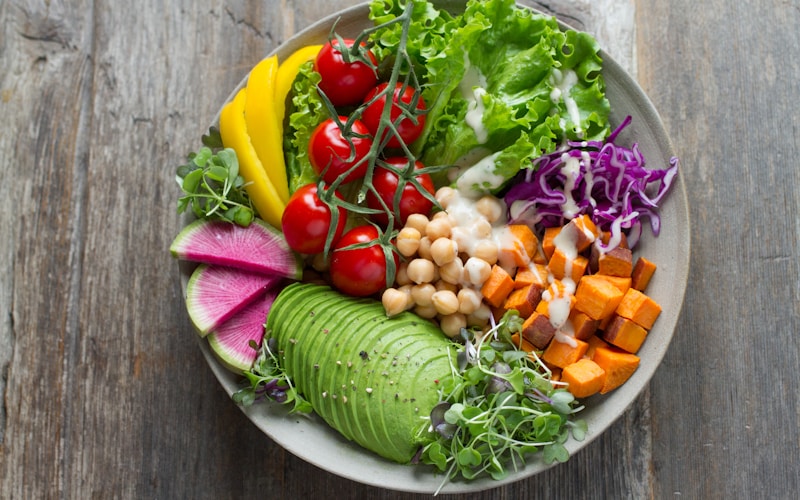
1. Eat 30 Different Plants Per Week
This single habit does more for your gut than any supplement. The American Gut Project found that people who ate 30 or more different plant species per week had significantly more diverse gut microbiomes than those who ate fewer than 10. Plants include vegetables, fruits, whole grains, legumes, nuts, seeds, herbs, and spices. Count the herbs in your spice rack — they count.
Don't aim for perfection immediately. If you currently eat 8 plants a week, aim for 15 next week, then 25, then 30. Diversity matters more than volume.
2. Load Up on Prebiotic Fiber
Prebiotics are specific types of fiber that feed beneficial bacteria. Your body can't digest them, but your gut microbes feast on them and produce butyrate and other SCFAs that heal and seal your gut lining. Top prebiotic sources include:
- Garlic, onions, leeks, and shallots (inulin-rich)
- Oats and barley (beta-glucan)
- Asparagus, bananas (slightly green), and apples
- Chicory root and flaxseed
- Cooked and cooled potatoes and rice (resistant starch forms when these cool)
3. Add Fermented Foods Daily
A landmark Stanford study showed that eating six servings of fermented foods per day for ten weeks significantly increased microbiome diversity and reduced 19 inflammatory markers. Excellent options include:
Yogurt (live cultures)
Kefir
Sauerkraut
Kimchi
Kombucha
Tempeh & Miso
Start small — a few tablespoons of sauerkraut or a half-cup of kefir daily — and build up. If you're new to fermented foods, introducing them too fast can cause temporary bloating as your microbiome adjusts.
4. Consider a Quality Probiotic (Selectively)
Probiotic supplements can help in specific situations — after a course of antibiotics, during travel, or for particular digestive issues. But they're not a substitute for diet. Look for products with well-researched strains like Lactobacillus rhamnosus GG, Saccharomyces boulardii, and Bifidobacterium species, with colony-forming units (CFUs) in the billions.
5. Cut Back on Ultra-Processed Foods and Added Sugar
You don't have to eliminate everything, but shifting your diet toward whole, minimally processed foods removes the emulsifiers, preservatives, and refined sugars that erode microbial diversity. Swap soda for water or kombucha, white bread for whole grain or sourdough, and sugary snacks for fruit with nuts.
6. Prioritize Polyphenol-Rich Foods
Polyphenols are plant compounds eagerly metabolized by your gut bacteria. Top sources include dark berries, green tea, dark chocolate (70%+ cocoa), extra virgin olive oil, coffee, and colorful vegetables. Eating the rainbow isn't just aesthetic advice — it's microbiome medicine.
7. Move Your Body Regularly
Exercise independently increases gut microbial diversity and boosts the production of butyrate-producing bacteria. 150 minutes of moderate activity per week (about 30 minutes, five days a week) of walking, cycling, swimming, or dancing is enough. Resistance training adds an independent benefit.
8. Protect Your Sleep
Your gut bacteria follow a circadian rhythm just like you do, and disrupted sleep throws them off balance. Aim for 7–9 hours of quality sleep on a consistent schedule. Shift workers and those with irregular sleep patterns have measurably altered microbiomes.
9. Manage Stress Actively
Because the gut-brain axis runs both ways, calming your mind calms your gut. Daily practices like deep breathing, meditation, yoga, time in nature, and meaningful social connection all reduce stress hormones that damage your microbiome. Even five minutes of slow breathing before meals can shift your nervous system into "rest and digest" mode.
A Simple Day of Gut-Friendly Eating

You don't need a complicated plan. Here's what a gut-supportive day might look like, hitting well over 30 plants across the week without much effort:
| Meal | Gut-Friendly Example |
|---|---|
| Breakfast | Plain Greek yogurt or kefir topped with mixed berries, a sprinkle of flaxseed and chopped walnuts, with a drizzle of honey and cinnamon. |
| Lunch | A large mixed salad with chickpeas or lentils, leafy greens, tomato, cucumber, avocado, and a dressing of extra-virgin olive oil and lemon. |
| Snack | An apple with a handful of almonds, or a small cup of miso soup. |
| Dinner | Baked salmon or tempeh with roasted vegetables (broccoli, sweet potato, onion), a side of quinoa, and a spoonful of kimchi or sauerkraut. |
| Evening | A cup of green tea or chamomile tea, and a small square of dark chocolate. |
How Long Until You Notice a Difference?
Quick Answers to Common Gut Health Questions
Should I take a microbiome test?
Consumer microbiome tests can be interesting for curiosity, but the science of interpreting them is still maturing. Your money is generally better spent on high-quality whole foods and fermented foods first.
Are probiotic supplements a waste of money?
Not necessarily — they have genuine value in specific situations, like recovering from antibiotics. But for the average healthy person, fermented foods and a diverse plant-rich diet deliver better results than most pills.
Can I heal my gut with a juice cleanse?
No. Juice removes the fiber that feeds your beneficial bacteria. A "cleanse" that's low in fiber can actually starve your good microbes. The most effective "detox" for your gut is eating more plants, not less food.
Is gluten bad for gut health?
For the vast majority of people, no. Whole grains containing gluten are excellent prebiotic sources. Only people with celiac disease, non-celiac gluten sensitivity, or wheat allergy need to avoid them.


