
High blood pressure (hypertension) is the single largest preventable risk factor for heart disease, stroke, and kidney failure worldwide. The World Health Organization estimates it causes 7.5 million deaths annually. But here's the good news: lifestyle changes can lower systolic blood pressure by 10–20 mmHg — comparable to many prescription medications.
Here are 8 natural methods backed by peer-reviewed research, ranked by the strength of their evidence.
1. The DASH Diet — The #1 Evidence-Based Eating Plan
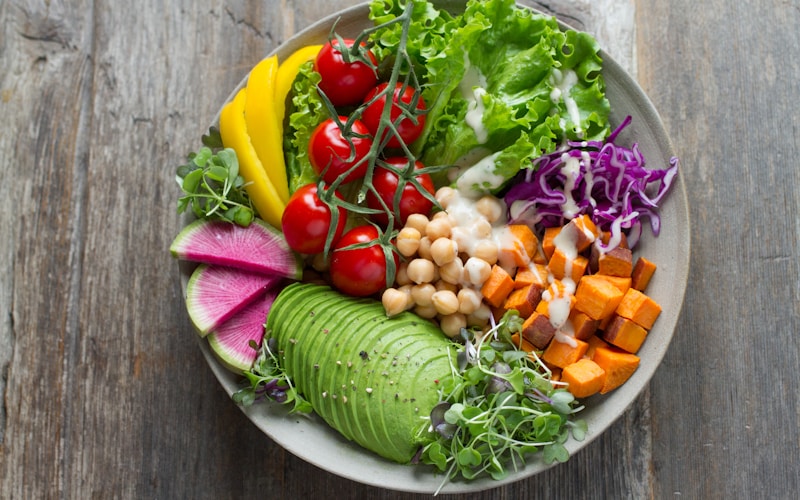
The Dietary Approaches to Stop Hypertension (DASH) diet isn't a fad — it was developed by the National Heart, Lung, and Blood Institute after rigorous clinical trials. In the original 1997 study published in the New England Journal of Medicine, the DASH diet reduced systolic blood pressure by 5.5 mmHg in people with normal blood pressure and by 11.4 mmHg in those with hypertension.
Core Principles of the DASH Diet:
- 6–8 servings of whole grains daily — oats, brown rice, whole wheat bread, quinoa
- 4–5 servings of vegetables daily — especially leafy greens (spinach, kale, Swiss chard)
- 4–5 servings of fruits daily — bananas, berries, apples, oranges (high in potassium)
- 2–3 servings of low-fat dairy — yogurt, skim milk (rich in calcium)
- Lean protein — fish, poultry, beans, nuts (limit red meat to twice weekly)
- Limit sodium to 2,300mg/day (ideal: 1,500mg for hypertension)
2. Exercise — How Much and What Type
Exercise is one of the most potent blood pressure-lowering tools available. A landmark 2023 meta-analysis analyzed 391 trials and found:
| Exercise Type | Systolic BP Reduction | Optimal Dose |
|---|---|---|
| Aerobic (walking, cycling, swimming) | −4.5 mmHg | 150 min/week |
| Resistance training | −4.0 mmHg | 2–3 sessions/week |
| Isometric (wall squats, plank) | −6.0 mmHg | 4 × 2-min holds, 3x/week |
| Combined (aerobic + resistance) | −5.5 mmHg | 150 min + 2 sessions/week |
| High-Intensity Interval Training (HIIT) | −5.0 mmHg | 3 sessions/week, 25 min each |
The study concluded that isometric exercises produced the largest reductions — even more than aerobic exercise. The wall sit (back against wall, thighs parallel to floor, hold for 2 minutes) is the most studied isometric exercise for blood pressure.
Practical Protocol (Start This Week):
- Days 1–3: Walk briskly for 30 minutes (150+ steps/minute)
- Days 2, 4: Wall sit hold — 4 sets × 2 minutes, rest 1 minute between sets
- Days 1, 3, 5: Light resistance training (squats, push-ups, rows) — 20 minutes
Blood pressure drops are often visible within 1–2 weeks of starting an exercise program and persist as long as you maintain the habit.
3. Sodium Reduction — The Hidden Killer
The average American consumes 3,400mg of sodium per day — nearly double the recommended limit. Every 1,000mg reduction in daily sodium intake lowers systolic BP by approximately 2–3 mmHg.
Top Sodium Sources You're Probably Missing:
- Bread and rolls — #1 source of sodium in the American diet (not salty foods!)
- Pizza — one slice can contain 600–900mg sodium
- Cold cuts and cured meats — 2 slices of deli turkey = ~800mg
- Soup (canned) — one can = 1,000–2,000mg (look for "low sodium" versions)
- Restaurant meals — a single restaurant meal can exceed 3,000mg
- Condiments — soy sauce (1,000mg/tablespoon), ketchup (160mg/tablespoon)
4. Potassium — Nature's BP Balancer

Potassium helps your kidneys excrete excess sodium and relaxes blood vessel walls. The recommended intake is 3,500–4,700mg per day, but most people get only 2,500mg. A 2022 meta-analysis found potassium supplementation reduced systolic BP by 4.48 mmHg.
Top Potassium-Rich Foods:
- Avocado — 975mg per whole avocado (20% of daily need)
- Sweet potato — 855mg per medium baked potato
- Spinach — 840mg per cup cooked
- White beans — 730mg per cup cooked
- Banana — 422mg per medium banana
- Salmon — 684mg per 6oz fillet
- Beets — 518mg per cup (also contains nitrates that dilate blood vessels)
5. Weight Loss — The Math of Blood Pressure
Every kilogram of body weight lost translates to roughly 1 mmHg reduction in blood pressure. A 2021 meta-analysis showed that a 5% body weight reduction lowered systolic BP by 4.3 mmHg.
If you weigh 200 lbs and your blood pressure is 140/90:
- Lose 5 lbs → BP drops to ~135/87
- Lose 10 lbs → BP drops to ~130/84
- Lose 20 lbs → BP drops to ~120/78 (normal!)
6. Stress Management — Cortisol and Blood Pressure
Chronic stress keeps your sympathetic nervous system in overdrive, producing cortisol and adrenaline that constrict blood vessels. Evidence-based stress reduction techniques:
- Transcendental Meditation — Reduced systolic BP by 4.7 mmHg across 12 RCTs
- Mindfulness-Based Stress Reduction — 8-week MBSR reduced systolic BP by 4.9 mmHg
- Progressive Muscle Relaxation — 15 minutes daily reduced systolic BP by 3.6 mmHg
7. Alcohol Reduction — The U-Shaped Curve
Alcohol directly raises blood pressure in a dose-dependent manner:
🚫 Swap These
- Wine → Sparkling water + lemon
- Beer → Non-alcoholic beer
- Cocktails → Mocktails
✅ Try Instead
- Kombucha
- Herbal tea
- Soda water with lime
8. Breathing Exercises — The 5-Minute Fix
Slow, deep breathing activates the vagus nerve and triggers a cascade: heart rate slows, blood vessels dilate, and blood pressure drops.
Research shows measurable BP reductions after just a single session, with cumulative benefits building over weeks of daily practice.
Putting It All Together — Your 7-Day Action Plan
| Day | Action | Expected BP Impact |
|---|---|---|
| Monday | Start DASH diet — swap white bread for whole grain, add 2 servings vegetables | −1 mmHg |
| Tuesday | 30-minute brisk walk + read nutrition labels for sodium | −2 mmHg |
| Wednesday | Add avocado and banana to meals (potassium) + wall sit exercise | −2 mmHg |
| Thursday | 15-minute breathing session (morning + evening) + replace 1 alcoholic drink | −2 mmHg |
| Friday | 30-minute walk + prepare DASH-compliant meals for weekend | −1 mmHg |
| Saturday | Track food for the day + 20 min resistance training | −1 mmHg |
| Sunday | Plan meals for next week + 15 min meditation + measure BP | −1 mmHg |
When to See a Doctor
- Your blood pressure consistently reads 180/120 or higher
- You experience chest pain, shortness of breath, or sudden vision changes
- You have severe headaches, nosebleeds, or confusion
- Your blood pressure doesn't respond to lifestyle changes after 3 months


